%2008.07.36_4ffe9739.jpg)




The hospitality industry thrives on people, from front-desk teams to kitchen staff and event managers, yet few sectors experience such relentless emotional and physical strain. An effective hospitality EAP program can change this, by providing professional mental health support and practical resources to strengthen resilience, improve retention, let's check more!

Why EAPs Matter in the Hospitality Industry
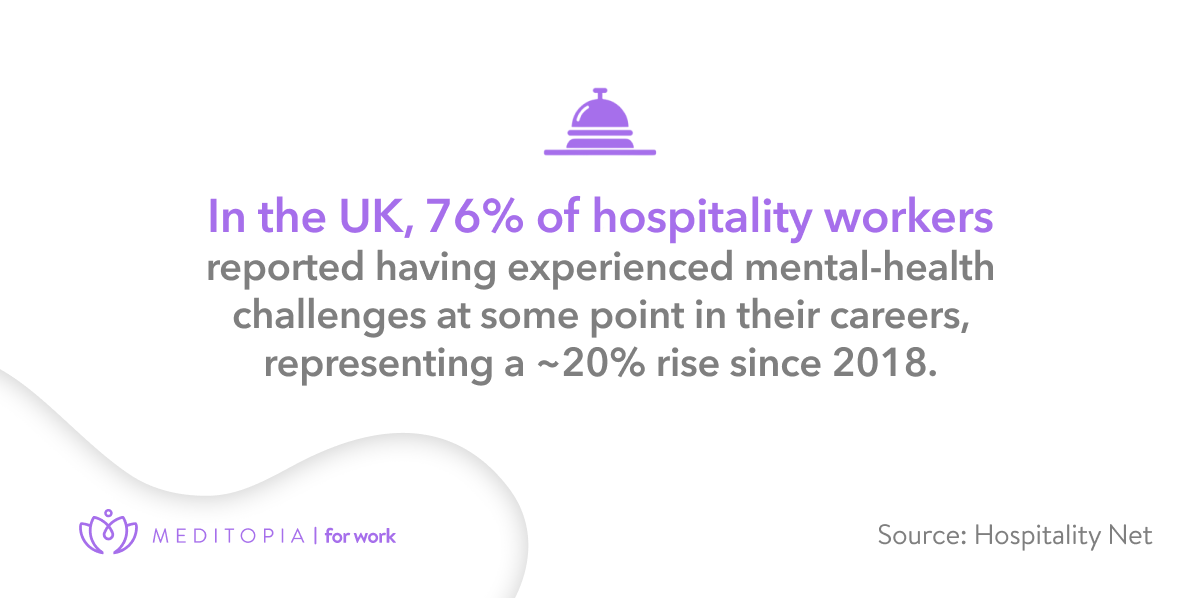
Hospitality work environments often involve sustained emotional labor, unpredictable schedules, and frequent high-pressure interactions that directly affect employees’ mental health, retention, and performance. Research consistently shows that stress and burnout are among the most pressing issues in this sector.
- Burnout prevalence: Nearly 47% of hospitality frontline managers in the U.S. report feeling burned out, and 68% say their team members have expressed burnout to them [1].
- Turnover intensity: The hospitality sector experiences annual turnover rates of ~70–75%, significantly higher than most industries, contributing to recruiting challenges and operational costs [2].
- Exhaustion among workers: A shockingly high 69% of shift workers report exhaustion due to work schedules and pressures [3].
- Stress-burnout-turnover link: Academic research shows a strong positive association between work stress and turnover intentions among hotel employees, with job burnout mediating this relationship [4].
This is why EAPs including employee counselling, stress management support, and workplace wellbeing resources are strategically positioned to reduce stress, support resilience, and mitigate burnout in ways that improve both individual health and organizational performance. Discover more EAP statistics here.
EAP Use Cases in Hospitality
A strong hospitality EAP program translates to real, observable impacts on teams every day. Many leading hospitality organizations have integrated EAPs as part of broader wellbeing strategies, here are some:
- Marriott International: Offers global confidential support, recognizing that culturally diverse teams may face unique stressors and life challenges requiring accessible counselling and wellbeing tools [5].
- Hilton Hotels & Resorts: Through its Thrive at Hilton initiative, mental health and wellness supports are paired with performance culture, underscoring both individual and service quality outcomes [6].
- Accor Group: Delivers EAP access in over 110 countries, integrating emotional support within compliance and human resource ecosystems to reduce turnover and bolster retention [7].
Key Benefits of EAPs for Hospitality Companies
Hospitality is inherently people-centric, yet it also faces some of the highest burnout and turnover figures among service industries. The right EAP framework can shift these metrics meaningfully. Here are some benefits of including an employee assistance program to your organization:
- Lower absenteeism & health-related productivity loss: Empirical studies show that EAP participation is associated with fewer hours lost to absenteeism compared with employees without access to these services [8].
- Reduced work stress: Meta-analyses have found EAP access to correlate with reduced work stress and higher organizational commitment, enhancing job satisfaction and social support [9].
- Higher engagement & wellbeing: Broad research shows EAPs contribute to improved mental wellbeing metrics, such as emotional resilience and employee engagement programs that make workplace culture more sustainable [10].
- Stronger employer reputation: Organizations offering comprehensive support are seen as more attractive employers, particularly in sectors where burnout prevention in hospitality directly affects retention and recruitment success.
How to Implement an EAP in a Hospitality Organization
Rolling out an EAP for hospitality requires strategic planning and thoughtful execution. Here’s a step-by-step framework HR leaders can follow:
- Assess Employee Needs: Start with pulse surveys or wellbeing assessments that measure stress, burnout, scheduling fatigue, and engagement gaps. These insights define priorities for your EAP scope.
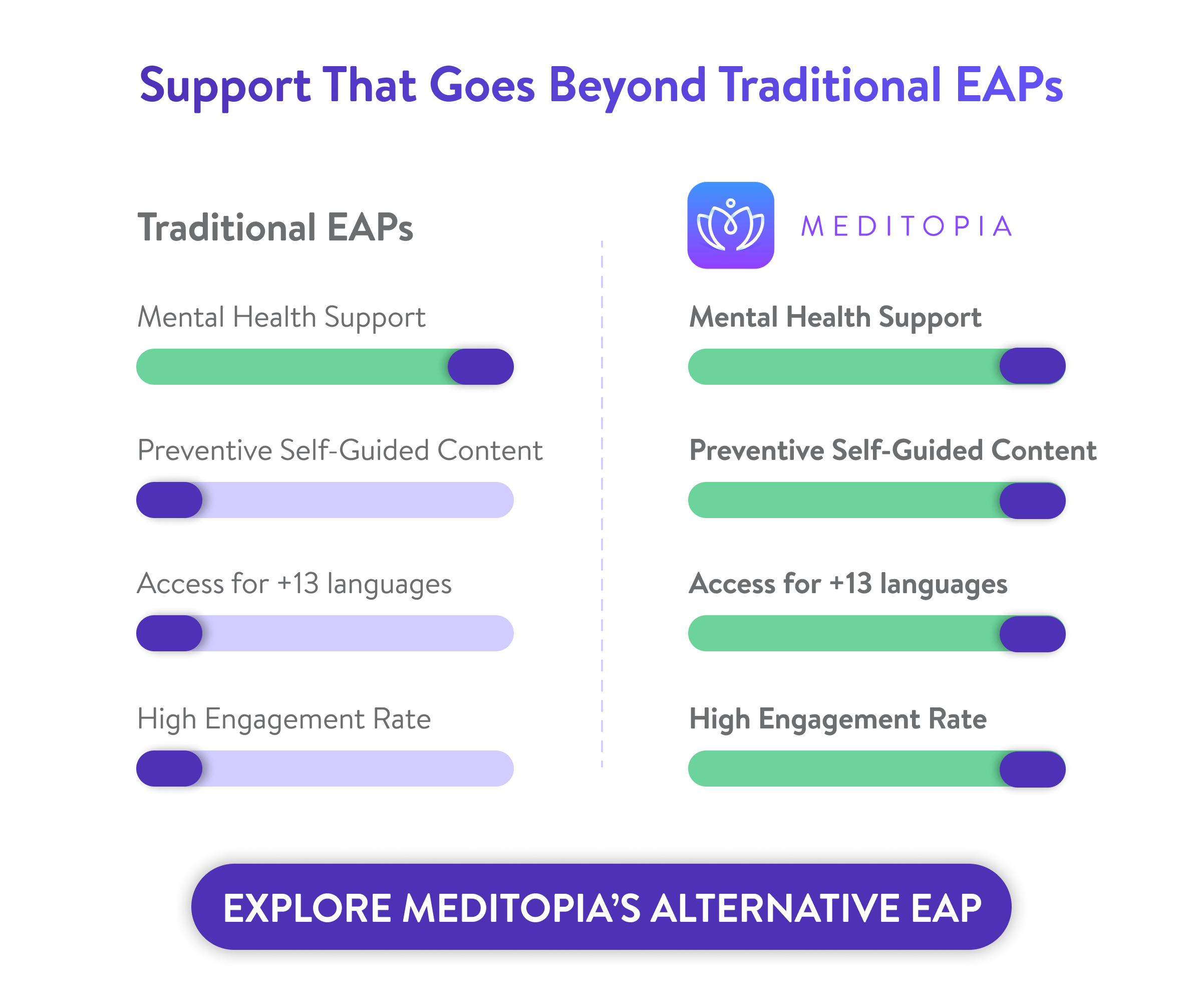
- Select the Right Provider: Evaluate providers based on modality (in-person vs. digital EAP solutions like Meditopia for Work), accessibility for frontline staff, cultural and language support, and analytics capabilities.
- Launch with Clarity: Communicate consistently through multiple channels (onboarding, posters, team meetings, digital platforms), ensuring all employees understand who can use the EAP and how to access support confidentially. We can help you craft these communications to keep engagement high!
- Train Leadership: Equip managers with basic mental health literacy so they can point employees toward EAP resources without stigma, and interpret usage trends meaningfully. Our workshops and specialized webinars can train your managers and employees effectively.
- Measure & Refine: Track participation rates, anonymous wellbeing outcomes, and employee feedback. With our Employer Dashboard you get access to anonymous data to prevent burnout.
EAPs in Hospitality vs. Other Industries
Hospitality work often involves emotional labor, irregular shiftwork, and customer interactions that drive unique wellbeing challenges. Below is a comparison with EAP focus areas in other industries.